


As we approach the end of Children’s Mental Health Week 2023, I thought it would be pertinent to revisit some of the research on dyslexia and mental health from a few years back…especially given I’m not sure we’re much further forward now…
In a survey carried out by dyslexia blogger and therapeutic counsellor John Hicks, 89% of parents said that their child experienced poor self-esteem related to their dyslexia and in the 2019 report by the All-Party Parliamentary Group for Dyslexia and other SpLDs at the Houses of Parliament - researched by the British Dyslexia Association, “The Human Cost of Dyslexia”, there are some quite shocking statistics about the impact of dyslexia on individuals’ emotional and mental health. For example, their study found that 52 percent of parents said their child tried to avoid school because of their dyslexia.
To those of us who assess children and young people for dyslexia, findings like these come as no real surprise. And I'm sure the same would apply to others with different learning needs, but who also feel like their efforts go unrecognised in an increasingly ‘academic’ school system, or for whom comparison with their peers leaves them feeling useless and frustrated.
Personally – and in line with much of the aforementioned APPG report recommendations – I think this is why assessment (and ideally early) identification of a specific learning difficulty such as dyslexia can be useful for an individual. Knowing why you might be struggling to acquire age-appropriate literacy skills when you try so hard, or why you might be a bit slower than your friends to process information can be a game-changer. In fact, the family of a boy I met in the summer of 2022 said that since the assessment he had changed beyond all recognition in terms of his attitude to work, his self-belief and aspirations…and it had also helped that he had been given suitable technology to support him in the classroom too!

Teachers and support staff working in schools will inevitably have seen the fallout of low self-esteem in those with learning needs: the work avoidance tactics used to ‘save face’ and ensure failure is not even an option; the sickening anxiety before exams…”Will I be able to write down what I know?”; the ongoing conversations about feeling inadequate and misunderstood, to the point of wanting to throw in the towel.
What we do know though is that many individuals with dyslexia and other specific learning difficulties can have their needs met in the classroom simply through high quality inclusive teaching and when practitioners understanding of the impact of dyslexia is thorough. But the APPG report and its indisputable findings makes certain what many professionals and parents of dyslexic children have known for years. With an education system still so heavily reliant on the written word, those who struggle to acquire the skills necessary to read and write are consequently much more likely than their peers to experience mental health difficulties, unless proper support is put in place early on.
Interestingly, these findings aren’t just isolated to the UK, Made By Dyslexia commissioned a survey in which they interviewed over 8000 parents, carers and teachers across the globe to gain insight into the provisions made in schools and settings for those with dyslexia. Their findings mirrored those of the BDA, showing that changes need to be made internationally.
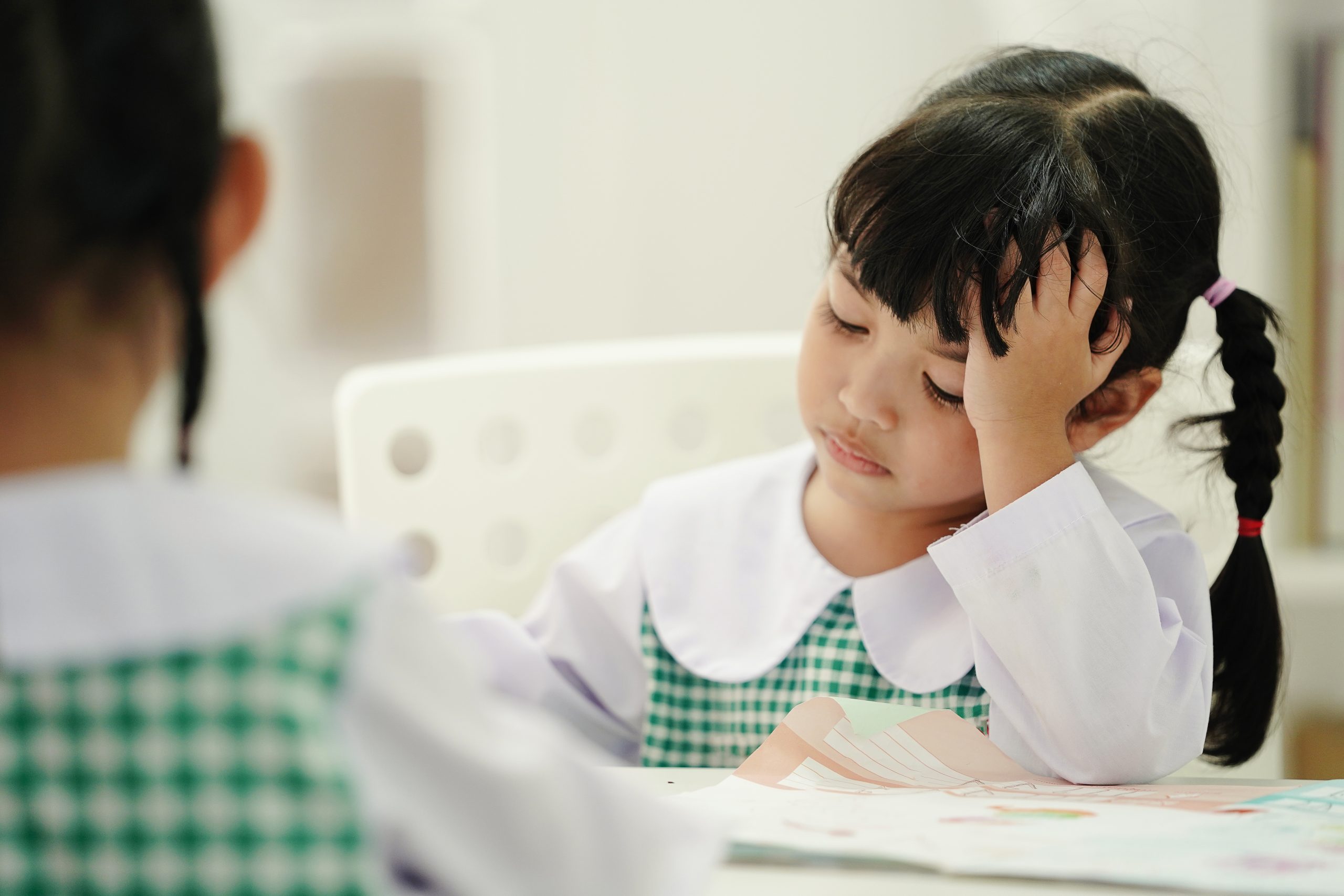
In short, it cannot be contested that failing to identify and adequately support any specific learning difficulty, including dyslexia, during a young person’s education can result in costs to their emotional and mental health, so more must be done… a collective effort, I feel…
For advice and support if you have a child with dyslexia, see the BDA’s information on Dyslexia and anxiety. If you would like to find out more about assessment for dyslexia, please see my website by clicking here.